

A Financial GPS? What’s That?
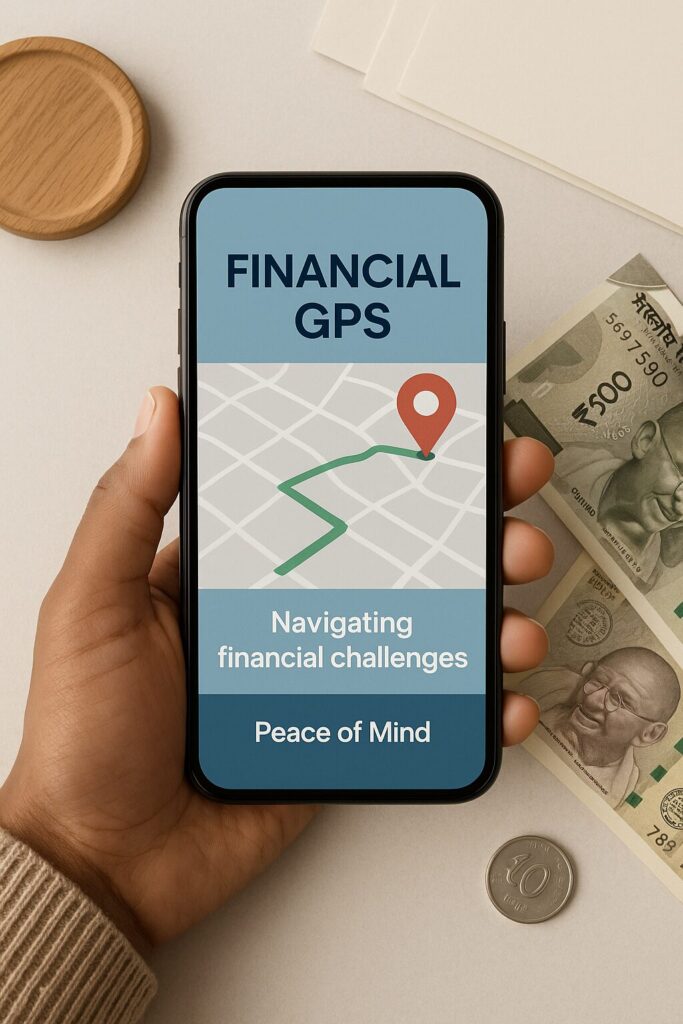
It’s not easy to admit this. But most of us have little sense of being directionless in our financial lives. We earn, we spend, we save (sometimes!), but where are we actually headed? Without a clear roadmap, your financial journey can feel like driving aimlessly through a foggy night. That’s what your personal financial GPS can guide you!
Think of it this way: your financial GPS is a set of tools and a mindset that helps you navigate the complexities of money management. It’s not about getting rich quick, but about making smart, informed decisions that lead you to your desired destination, whether that’s buying a home, planning for retirement, or just living a life free from money-related stress. Just like a good GPS, it recalculates your route when you hit a roadblock and always keeps your ultimate goal in sight. So, are you ready to chart your course and navigate your financial future with confidence?
The First Destination: Where Are You Now?
Before you can set a destination on your GPS, you need to know your current location. In financial terms, this means understanding your net worth. Don’t worry, it’s not as complicated as it sounds! Simply put, your net worth is what you own (your assets) minus what you owe (your liabilities).
Your assets could include your savings, investments in stocks, mutual funds, or even that ancestral gold jewellery. Your liabilities are your debts – a home loan, a personal loan, or credit card bills. Take a moment to jot down these numbers. Seeing it all laid out gives you a powerful, honest snapshot of your financial health. It’s your starting point, your ‘current location,’ and it’s essential for planning your journey ahead.
The Most Important Stops: Setting Your Financial Goals
A GPS is useless without a destination. What’s your financial destination? Is it to buy your dream car in three years? Or to save up for your child’s education? Or maybe to retire comfortably by the age of 55? These are your financial goals, and they need to be specific and realistic.
We call this the SMART framework: Specific, Measurable, Achievable, Relevant, and Time-bound. For example, instead of saying, “I want to save more money,” a SMART goal would be, “I will save ₹20,000 every month for the next five years to build a down payment for my new apartment.” See the difference? A clear destination makes it easier to follow the directions.
The Secret Ingredient: Your Financial GPS Kit
Your financial GPS comes with some essential tools that can make your journey smoother and faster. These aren’t fancy, expensive gadgets; they are smart financial instruments and strategies.
- Emergency Fund: This is your detour plan. Life is unpredictable, and emergencies like a sudden job loss or a medical issue can throw your budget into chaos. An emergency fund—typically 3 to 6 months’ worth of your living expenses—acts as a safety net, so you don’t have to derail your long-term plans to handle a short-term crisis.
- Strategic Investing: This is where you put your money to work for you. Don’t just let your savings sit idly in a bank account. A strategic investment plan, whether it’s through SIPs (Systematic Investment Plans) in mutual funds or direct stock investments, can help you beat inflation and grow your wealth significantly over time. It’s like taking a shortcut with your financial GPS!
- Comprehensive Insurance: Think of insurance as your protective shield. Health insurance protects you and your family from crippling medical bills, while term life insurance ensures your loved ones are financially secure even if you’re not around. This is a crucial step to safeguard your journey against unforeseen accidents.
Staying On Track: Your Weekly Check-in
A good GPS doesn’t just give you a one-time set of directions; it constantly updates you on your progress and warns you of upcoming obstacles. Similarly, you need to regularly check in with your finances.
Set aside a few minutes each week to review your expenses. Are you sticking to your budget? Are your investments performing as you expected? Regular monitoring helps you stay disciplined and make necessary adjustments. It’s a simple habit that has a huge impact on your long-term success.
Avoiding Potholes and Detours: The Common Mistakes
We all make mistakes, but in the financial world, some can cost you dearly. It’s important to recognize and avoid these common “potholes.”
- Impulse Spending: That irresistible urge to buy the latest phone or a designer handbag can often lead you off course. Always ask yourself if a purchase aligns with your long-term goals.
- Ignoring Small Expenses: Just like small stones on the road can damage your car, small, daily expenses like your morning coffee or impulse purchases can eat into your savings and slow down your journey.
- Fear of Investing: Many of us in India are taught to be risk-averse. While caution is good, avoiding investments altogether means missing out on the power of compounding. Don’t let fear prevent you from reaching your destination faster.
Your Final Destination: Peace of Mind
The ultimate goal of using a financial GPS is not just to accumulate wealth but to gain something far more valuable: peace of mind. When you know where you stand, where you’re headed, and what tools you have to get there, a huge weight is lifted off your shoulders. You’ll be able to sleep better at night, knowing you are in control of your financial life.
So, are you ready to find your financial GPS and take the driver’s seat of your life? Start today. It’s a journey, not a race. So, buckle up, set your destination, and enjoy the ride to a more confident and secure financial future.
Leave a Reply